Dry-Type vs Oil-Immersed Transformers: Key Differences & Selection Guide
News 2026-10-09
In power distribution systems, construction sites and routine power supply O&M, dry-type and oil-immersed transformers are widely used. Yet few people can clearly explain their core differences. Though both are voltage conversion equipment, their performance characteristics vary greatly. This article breaks down their distinctions for your easy reference.
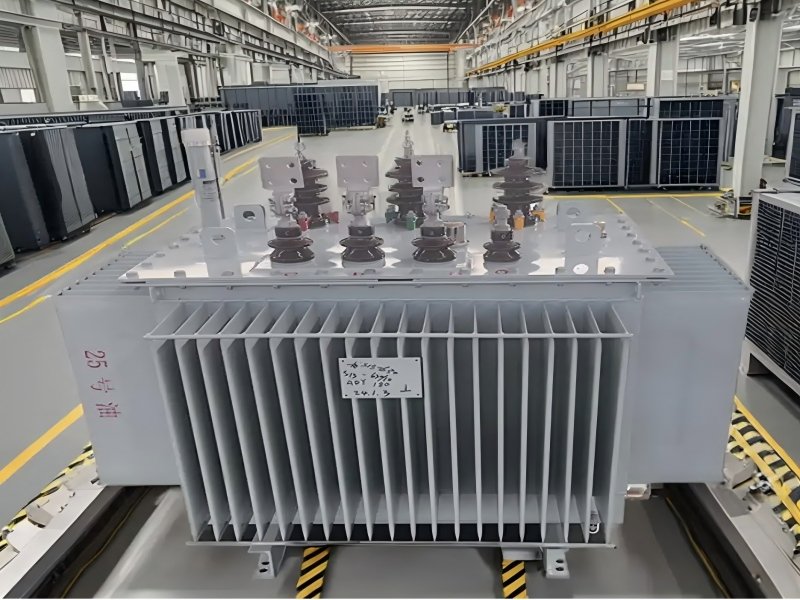
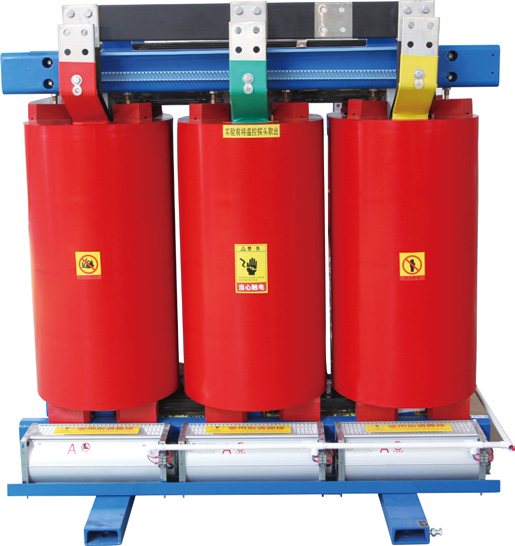
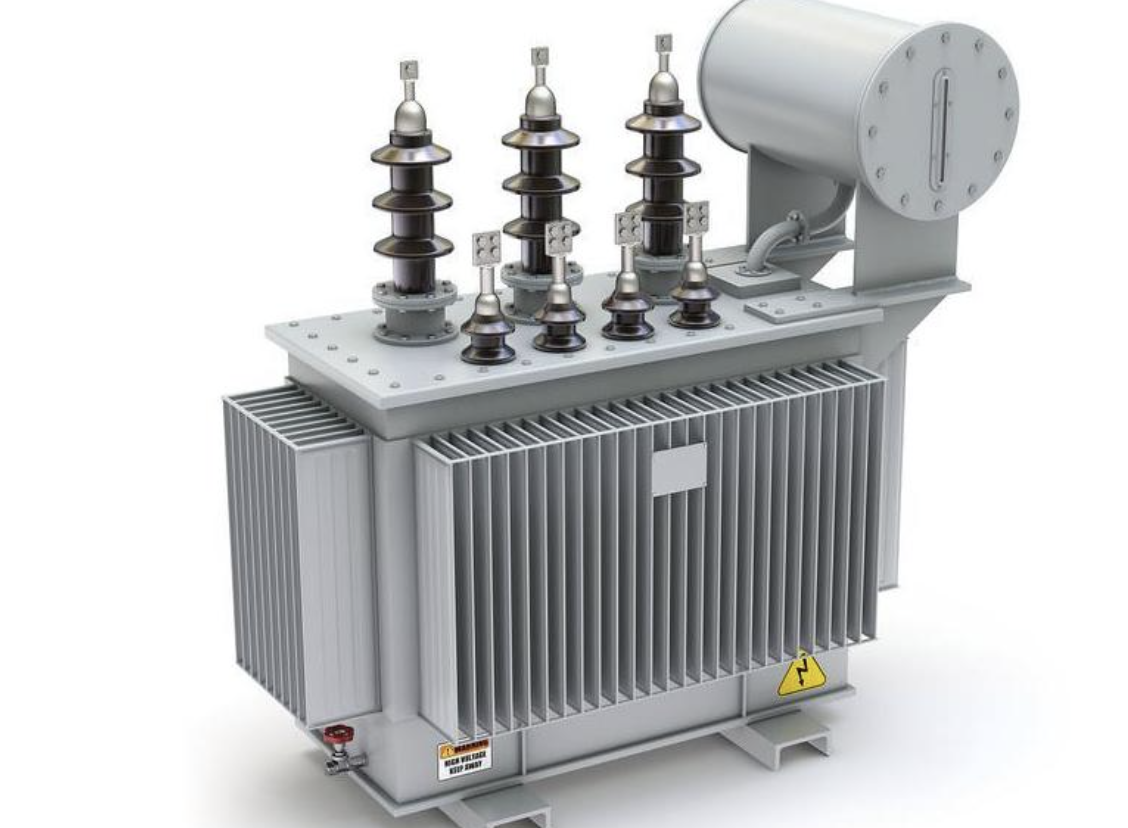
Dry-type transformers are often shortened to “dry type”, while oil-immersed transformers are also called oil-type transformers. The most fundamental differences lie in their structure, insulation medium and cooling mechanism. Dry-type transformers use air as the insulation and cooling medium. In contrast, oil-immersed transformers adopt transformer oil for insulation and rely on oil circulation to dissipate heat. They also differ notably in size, specifications and applicable voltage classes. These variances lead to big gaps in operating conditions, total cost and suitable application scenarios.
Differences in Price and Capacity
For the same capacity class, dry-type transformers have a higher purchase price. In large power hubs and under heavy-load conditions, oil-immersed transformers offer better overall value for money and are more widely used.
Differences in Installation and Usage Scenarios
Dry-type transformers are oil-free, fire-resistant, explosion-proof, and highly safe, making them suitable for installation in high-rise buildings, shopping malls, office buildings, hospitals, data centers, and basements—that is, in enclosed indoor spaces with high concentrations of people—where they offer enhanced fire safety compliance.Oil-immersed transformers typically feature a fully sealed design, making them resistant to harsh outdoor conditions such as wind, snow, sandstorms, and high temperatures, and thus more practical. They are commonly used in outdoor settings such as open areas, standalone substations, municipal roads, heavy industry facilities, urban and rural power grids, and wind and solar power projects. In common container-type substations, the internal transformer can be flexibly configured as either a dry-type or oil-immersed transformer based on specific requirements.
Differences Between Spatial and Environmental Adaptation
For the same capacity, dry-type transformers are larger in size and are suitable for installation in indoor, fixed distribution areas; oil-immersed transformers have a compact design, take up less space, and offer greater flexibility in layout and lower costs in open-air environments. In the complex environments of southern China—which are humid, rainy, and dusty—oil-immersed transformers demonstrate greater weather resistance; when dry-type transformers are used in humid environments, they generally require a forced-air cooling system to ensure stable operation.
Model Differentiation
Common mainstream models of dry-type transformers: SC refers to epoxy resin-cast dry-type transformers, SCR refers to resin-wrapped dry-type transformers, and SG refers to open-type air-insulated dry-type transformers. These are primarily used in medium- and low-voltage power distribution applications at 35 kV and below.
Common mainstream models of oil-immersed transformers: Primarily the energy-efficient series such as S11, S13, and S20, which cover a wider range of voltage levels and are suitable for the entire voltage range; they are the standard choice for outdoor power distribution and conventional power engineering projects.